
In this article, we explain how implementing a field service management system can optimize maintenance cycle management, dramatically improve maintenance planning, and ultimately increase productivity.
Challenges When Maintenance Planning Is Not Implemented
In field service operations, the inability to properly manage maintenance cycles creates multiple challenges in terms of operational efficiency, customer satisfaction, and continuous improvement. Below are four key challenges that commonly arise.1. Increase in Emergency Repairs:
If maintenance cycles are not properly managed, the risk of missed maintenance increases. Oversights such as failing to update records or input errors can lead to delays in part replacements, resulting in equipment failures or, in the worst case, accidents.Furthermore, insufficient management of replacement cycles can increase the frequency of unexpected repairs. Unanticipated equipment failures may disrupt production lines or business operations on the customer side, directly impacting their productivity and leading to decreased customer satisfaction. In addition, such emergency repairs may result in unplanned costs for your company.
2. Uncertain Resource Allocation:
Without well-structured preventive maintenance planning, issues such as excess inventory and inefficient workforce allocation can arise. When replacement cycles are not properly managed, it becomes difficult to forecast future resource requirements. As a result, companies may face either overstocking of unnecessary parts or shortages of critical components.Similarly, without proper workforce planning, the right technician may not be available when needed, reducing both the efficiency and quality of service delivery. This ultimately leads to lower customer satisfaction and diminished operational efficiency.
3. Loss of Revenue Opportunities:
Focusing solely on reactive repairs also leads to missed opportunities for improving profitability. If services are only provided after equipment failure, revenue becomes dependent on breakdowns, making it difficult to manage sales in a planned and stable manner.On the other hand, by leveraging replacement cycle history to implement preventive maintenance, companies can replace parts before failure occurs and even propose upgrades. This approach increases the likelihood of stabilizing and enhancing revenue streams.
4. Paper-Based Management of Customer and Equipment Data:
Many companies still manage customer and equipment data using paper or Excel, making it extremely difficult to centralize and manage information effectively. This often leads to fragmented or inconsistent data, resulting in a decline in service quality.Without accurate tracking of past replacement cycles, it becomes challenging to provide appropriate after-sales service or develop effective preventive maintenance plans.
Additionally, it is difficult to track equipment wear and tear based on individual customer usage patterns and operating environments. This creates a significant barrier to delivering customized services tailored to each customer.
Managing repair histories and maintaining structured bills of materials (BOM) for consumable parts are essential for improving both the efficiency of maintenance planning and the overall service level in field service operations. Accumulated data supports process optimization, faster response to customer needs, and continuous product quality improvement.
By implementing a field service management system, maintenance cycle management becomes much easier. Let us now explore the benefits that can be achieved as a result.
When Maintenance Planning Is Implemented and Preventive Maintenance Is Achieved
1. Achieving Preventive Maintenance:
By using a field service management system to analyze replacement cycles in detail, it becomes possible to detect potential failures early and implement preventive maintenance. This significantly reduces the frequency of emergency responses and helps avoid unexpected downtime. Preventive maintenance identifies the root causes of failures in advance and enables planned maintenance, thereby extending equipment lifespan and contributing to long-term cost reduction. This approach plays a crucial role in improving service quality and building customer trust.2. Optimization of Resources and Parts:
Proper management of replacement cycles through the system enables accurate forecasting of future resource and parts demand, allowing inventory to be optimized. By preventing excess stock while ensuring timely availability of necessary parts, companies can significantly improve cost efficiency. In addition, resources required for inspections and maintenance can be planned in advance, reducing waste. Optimizing resources in this way directly contributes to lowering overall service delivery costs.3. Enabling Proactive Customer Proposals:
Through the analysis of replacement cycles, it becomes possible to identify maintenance and inspection needs in advance. This allows companies to make proactive proposals to customers, creating opportunities for upselling and cross-selling. By anticipating customer needs and offering planned service proposals, companies can enhance customer satisfaction while generating new business opportunities. This not only increases the likelihood of securing budgets but also contributes to building long-term customer relationships.4. Digitization of Customer Data::
Digitizing customer data is one of the fundamental functions of a field service management system. With digitization, companies can centrally manage replacement cycles more efficiently and gain real-time visibility into consumable usage for each customer and each piece of equipment.As information becomes digital, relevant stakeholders can access the latest data anytime, regardless of location. This leads to faster response times to customer inquiries and improved customer satisfaction. By eliminating dependency on individual knowledge and promoting information sharing, the organization’s overall knowledge base is strengthened, enhancing its problem-solving capabilities.
By implementing a field service management system, companies can achieve significant benefits in four key areas: preventive maintenance, resource and parts optimization, proactive customer engagement, and digitization. These benefits are interconnected, leading to improved service quality, cost reduction, and enhanced customer satisfaction. Ultimately, this enables greater operational efficiency and business growth in field service operations, strengthening overall competitiveness.
Case Study | Kobe Steel, Ltd.
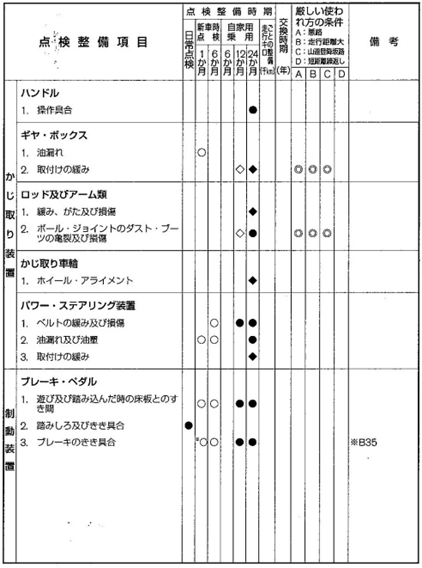
The Machinery Business Unit of Kobe Steel implemented the CSOne system with the aim of strengthening its after-sales service operations. As a result, the company achieved a reduction in indirect work time, improved customer satisfaction, and increased the execution rate of periodic maintenance. In particular, it successfully enhanced the efficiency of maintenance planning for machinery products delivered to customers, such as compressors, refrigeration units, and heat pumps.For example, maintenance cycles for compressors are defined based on operating hours. By managing information such as installation timing and usage frequency for each customer within the CSOne system, the company is now able to carry out maintenance operations without omissions. For more details, please refer to the case study at the link.
Summary
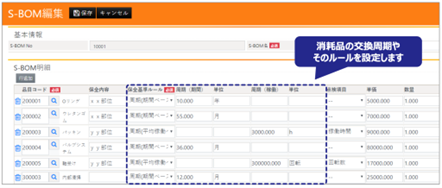
By implementing CSOne’s field service management system, maintenance plans can be created based on equipment installation dates and operational data, while maintenance tasks and cycles can be managed for each equipment model. In addition, through the use of a service bill of materials (BOM) that defines consumable parts and maintenance procedures, it is possible to generate maintenance planning schedules and establish plans for the following year in advance.This enables the construction of an optimal preventive maintenance framework and helps reduce equipment downtime.
 If you are facing challenges in maintenance planning for your field service operations, please feel free to contact us. We will provide tailored proposals based on your specific business needs.