
The modern business environment is rapidly evolving, and the field service industry is no exception.
In this sector, on-site service delivery—such as maintenance, repair, and installation of equipment—is a core function. However, scheduling for field technicians presents significant challenges.
In reality, the burden on dispatchers responsible for managing technician schedules is substantial. A single dispatcher may oversee around ten technicians, and in some cases, scheduling adjustments alone can take up to two full days per month.
4 Key Challenges in Field Technician Dispatch
1. Complex Scheduling:
Technician scheduling is influenced by multiple factors, including customer requirements, technical needs, geographic constraints, and priorities. As a result, scheduling becomes highly complex and difficult to manage manually. Attempting to coordinate schedules by hand increases the likelihood of human error and reduces overall efficiency.2. Immediate Response and Proper Assignment:
When urgent service requests arise, rapid response is essential. However, manual assignment of technicians can cause delays and negatively impact customer service quality. In addition, assigning the right technician based on skills and qualifications is critical, but this is not easy to achieve through manual processes.3. Inefficient Travel and Increased Costs:
Unnecessary travel and idle time lead to higher costs and lower efficiency. If technicians are not dispatched to the right location at the right time, service delivery is delayed and operational costs increase. Excessive travel also contributes to a greater environmental burden.4. Real-Time Information Sharing:
Sharing schedules and on-site work information in real time is essential for improving service quality. However, manual scheduling processes often result in delays and inaccuracies, creating communication bottlenecks and hindering smooth operations.4 Benefits of Automatic Dispatch
To address the challenges mentioned above, automatic dispatch functionality has been introduced in field service management. By leveraging advanced technologies and algorithms, automatic dispatch optimizes technician scheduling and provides the following benefits.1. Efficient Scheduling:
Automatic dispatch quickly and accurately handles complex scheduling. It instantly considers multiple factors such as customer requirements, technical needs, geographic constraints, and priorities to generate optimal schedules. This significantly reduces human error and improves the efficiency of service delivery.2. Immediate Response and Optimal Assignment:
Automatic dispatch enables rapid response to urgent service requests and assigns the most suitable technician. By matching technician skills and qualifications with job requirements, it enhances service quality and customer satisfaction.3. Optimization of Travel and Costs:
Automatic dispatch minimizes unnecessary travel and idle time, reducing the overall cost of service delivery. Technicians can reach job sites via optimized routes and perform tasks more efficiently, while also reducing environmental impact.4. Real-Time Information Sharing:
Automatic dispatch enables real-time information sharing, strengthening communication between field technicians and the office. Since schedules and work information are always up to date and accurate, it contributes to smoother and more efficient operations.In summary, automatic dispatch effectively addresses scheduling challenges in the field service industry and delivers multiple benefits, including improved efficiency, higher service quality, cost reduction, and real-time information sharing. Adopting this technology is a key step toward enhancing competitiveness and improving customer satisfaction.
Summary
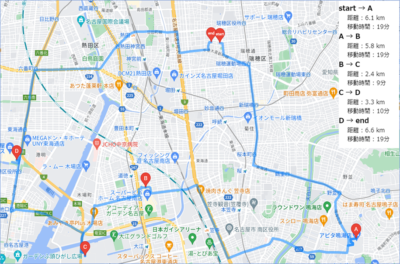
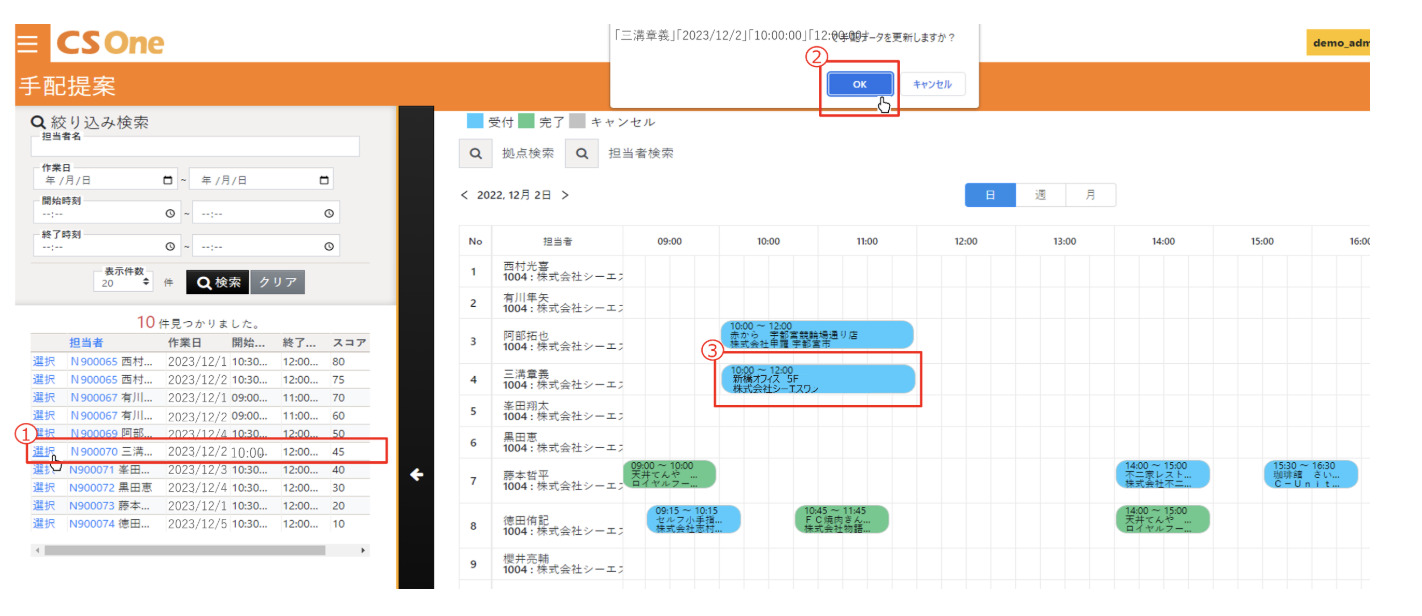
CSOne’s system is equipped with automatic dispatch and automatic routing functions. In actual implementation cases, tasks that previously required approximately 480 hours per month under manual management have been reduced by over 90%, bringing the workload down to around just 3 hours.In the case of emergency breakdowns, the system considers existing schedules and proposes multiple optimal time slots along with the most suitable technicians for assignment.
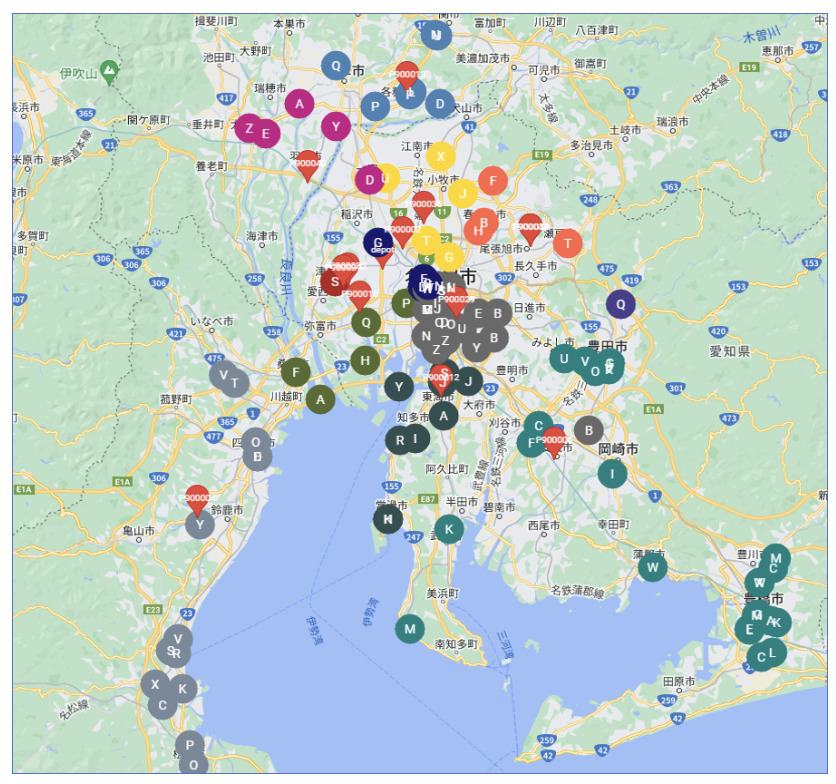 When planning work schedules over a fixed period, such as periodic inspections, the system optimally assigns large volumes of tasks by considering workload balance and travel efficiency.
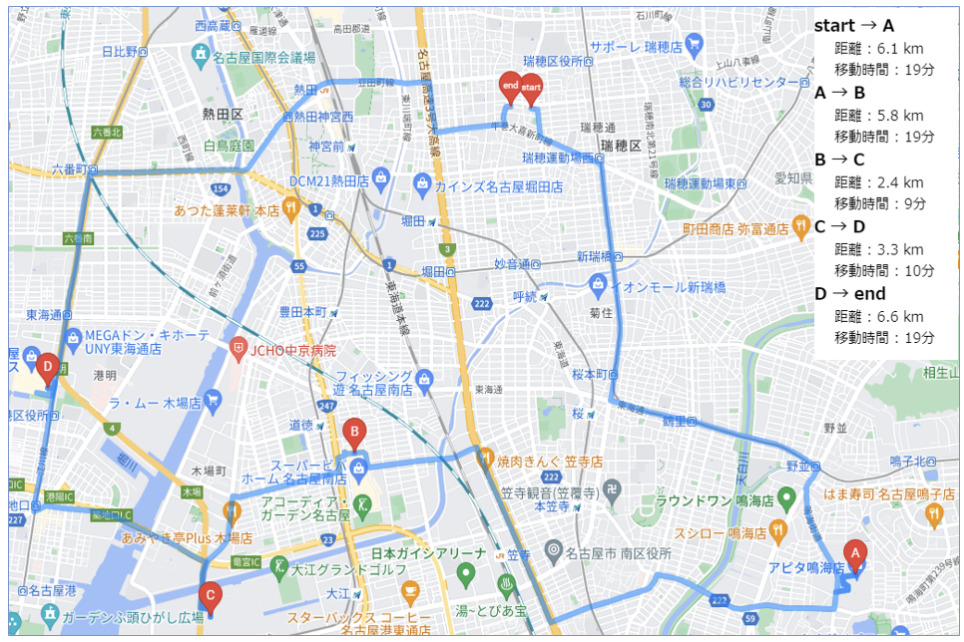
 Daily activity schedules for field technicians are also optimized through automatic routing.
 CSOne’s field service management system is equipped with features designed to improve the efficiency of your operations. It has been widely adopted by many customers and has received recognition such as the ASPIC IoT・AI・Cloud Award 2020.
For more information, including “Request Materials”, please refer to the links below.